
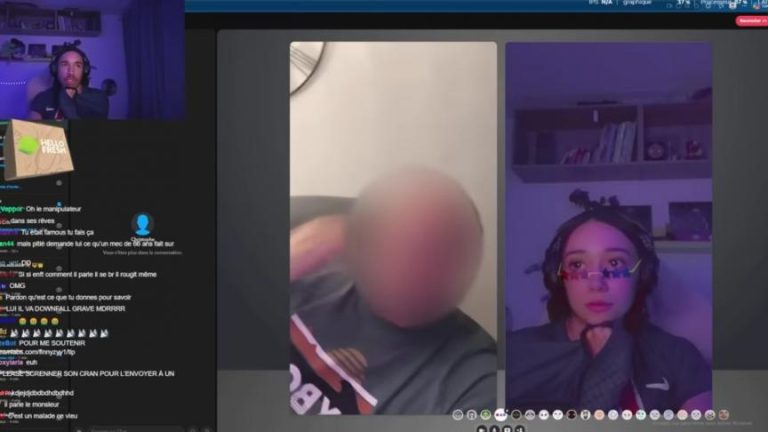
The growing number of initiatives to streamers who track down suspected child sex offenders, particularly on Twitch and YouTube raises questions about the methods used and their implications for criminal investigations. Whilst the aim of protecting minors is understandable, certain practices can lead to abuses and undermine the work of the police.
Véronique Béchu, Director of the Observatory on Digital Violence against Minors at the e-Enfance Association / 3018, points out that the work of these groups addresses a real need given the scale of sexual violence against minors. She emphasises, however, the importance of a strict framework: The public disclosure of personal details, the public exposure of suspects or certain methods of provocation may hinder investigations and undermine the presumption of innocence.
Some organisations have structured their activities and forged links with the police and the judicial authorities. However, Nearly 50 % of their reports do not result in legal action, according to Véronique Béchu, particularly because of the risks associated with the methods used.
In such situations, the reporting to the relevant official bodies remains essential in order to enable investigators to gather the necessary evidence, identify any victims and protect children.
For further information: Read the full article in The Voice of the North – 28 May.
Our articles on the subject

First Transparency Report: the e-Enfance / 3018 Association warns of platforms' failure to protect minors

One year after its establishment, the Observatory has reaffirmed its role as a watchdog against online violence against minors.
Elle - Roblox: When an online game becomes a hunting ground for paedophiles
Libération – Véronique Béchu warns, “Infants and very young children are easy targets for paedophiles.”
